It’s not just you that has suffered from changes of nail quality after moving to Dubai. It is rather disappointing to learn that there are many other people who have to deal with this problem. But you should not blame your expensive nail polish, manicures, acetone, or bad nutrition. The true reason for nail peeling has nothing to do with your beauty supplies and can be surprising for you.
The water you use for washing your hands or taking a shower is not as clean as you may be used to in your home country. Even if the water goes through the process of treatment and testing before it reaches your faucets, still it may lack minerals and be harmful to the nails. The combination of the water and the dry and hot climate of Dubai is a recipe for dry and damaged nails
So could hard water be a culprit?
Let’s explore its relation and how to protect your nails
What Exactly Is Hard Water?
Hard water is one which has a larger amount of the natural substances (usually magnesium and calcium) present in it.
This is not usually a problem, as both magnesium and calcium are good for dietary intake, and they actually occur naturally in drinking water. But despite this there could be some other implications of hard water on cleaning, as well as your skin, hair and your home surfaces.
The obvious sign of hard water will be a white mark around your faucet, shower head, or sink, as this is actually some sort of mineral deposit which hard water leaves behind. You can even find similar deposits in pipes or on surfaces that come in contact with water on a regular basis. Hard water can also leave deposits when mixed with other cleaning agents, especially soap.
As for your nails, hard water does not necessarily cause the loss of minerals in them, rather it has to do with the fact that water and the minerals it contains are combined with soap to make a drying agent on your nails.
Dubai and Its Effects on Your Nails
The climate conditions in Dubai can lead to the presence of inadequate humidity in the environment.
Your daily activities can be a reason for your nail problems.
On a daily basis, you wash your hands many times, take showers and use a range of soaps and shampoos. At some points of the year, you encounter a combination of high temperatures and low humidity.
Your hands and nails come into contact with moisture changes time and again.
However, this does not imply that Dubai life is the reason for such weak nails; rather, if your nails are already dry or weak, then these daily conditions may exacerbate the issue.
One part of the picture is hard water.
How Can Hard Water Lead to Nail Weakness?
Nails mainly consist of a material named keratin. Healthy nails are not just stiff; they need to be supple.
When nails become excessively dry, they lose their suppleness. In that situation, a dry nail will not succumb to some pressure and will likely break.
The insufficient moisture content of the nails is a reason for their condition. However, it does not only mean that water weakens nails.
Nails have the capacity of absorbing water so that they start swelling and drying, which makes them change in this regard.
That is quite a heavy burden on your nails.
Hard water may influence how cleaning products work. Moreover, it may leave mineral deposits behind thus enhancing the uncomfortable and dry conditions around your hand and nails.
It’s Important That You Pay Attention to Your Cuticles
Whenever people think about nail breakage they think only about the nail and not about the cuticle.
The cuticle plays an important role and protects the area.
The cuticle naturally produces a barrier around the base of the nail after the skin around it dries out, cracks, or becomes rough.
There are many things that can contribute to dry hands and cuticles, including hard water, washing hands, soap, and dry air in the buildings of Dubai.
If your cuticles keep being dry or flaky, that means that probably, you don’t use enough moisture.
Try to avoid cutting your cuticles and always keep them moisturized.
Using rich cream for hands or cuticle oil can be useful enough.
Are there any other reasons besides hard water that are responsible for your nails breaking?
Certainly!
You shouldn’t assume that every nail issue is caused by water.
There are a variety of reasons why nails might break, including:
- A lot of nail polish remover usage
- Gel or acrylic nails
- Buffing the nails too much
- Polish peeling or picking
- Frequent washing of hands
- Using chemicals around the home
- Excessive hand sanitiser usage
- Very dry or cold conditions
- Wet and dry cycles
- Injuries to the nails
- Lack of nutrients
- Certain sicknesses and medication
When you are experiencing sudden weakness, change in the color of your nails or even in their shape, it is always best to consult a doctor rather than just thinking that the reason lies only in your water intake.
In the case you experience dry and broken nails, it would be wise to look for the possible reasons in the way you drink water and wash your hands.
Five signs that the water is the reason for the drying effect
1. Your hands feel tight after washing.
If you have dry or tight skin soon after washing your hands, your daily handwashing routine could reduce too much moisture.
2. Your cuticles are always dry.
If you always have rough-patches or peeling skin near your nails, that indicates that your skin needs extra protection.
3. Your nails peel at the tips.
Having torn nails could be attributed to too much exposure to water, chemicals, and mechanical damage.
4. You see build-up around your home.
Pale patches appearing on faucets, showerheads, and other contaminators imply that the water has got minerals which cause this phenomenon.
5. You may feel your skin and hair different from usual following the shower.
If you tend to find your skin dry after bathing, it makes sense to rethink your water usage and cleaning habits whenever possible.
What to do to take care of your nails?
Do not stop washing your hands or showering, but try to make sureof the fact that there is no need to have unnecessary pressure on your nails and they need to keep a balanced amount of moisture.
Keep your showers short enough. Long hot showers might be drying for your skin. Therefore try to take a warm rather than hot shower.
Use the hand cream straight away after washing your hands.Don’t delay moisturizing until your hands are completely dry. When your skin is still moist, reach for hand cream, and don’t forget to pay attention to the tips of fingers and around nails.
Allow nails to heal after using harsh methods. Curling nails, acrylic nails, extensions, regular filing, and acetone removal will damage your nails too much.
Use gloves when cleaning.
Home cleaning agents are quite damaging to hands and skin.
Wearing gloves while washing dishes helps to minimize contact with the hands.
Stop using your nails as tools!
Although peeling a can, peeling off a sticker, or trying to open something with your nails might seem harmless, it results in a tiny crack that can develop into something serious.
Consider the water in your shower
If all forms of nail care are applied and your nails still look dry, it is time to check the water from your shower.
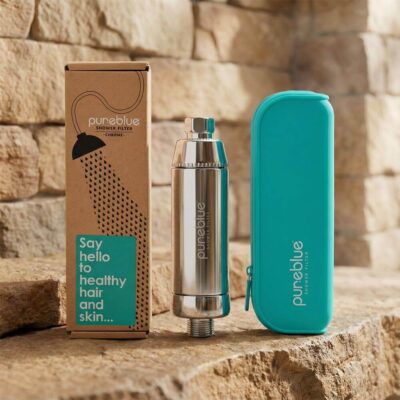
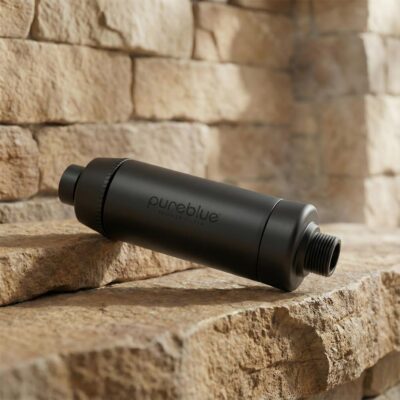
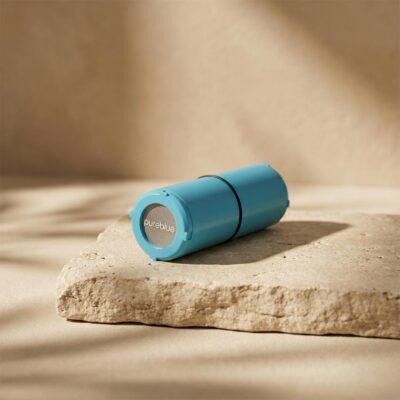
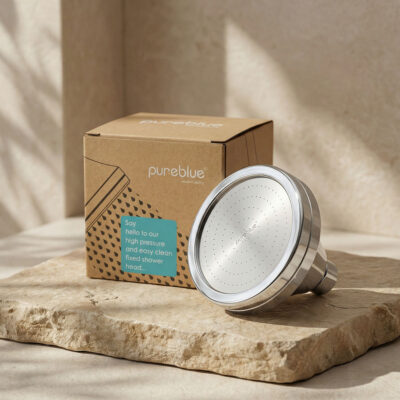
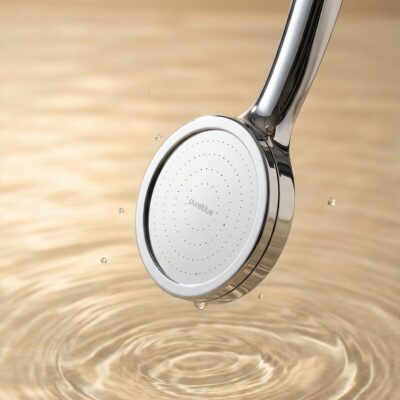
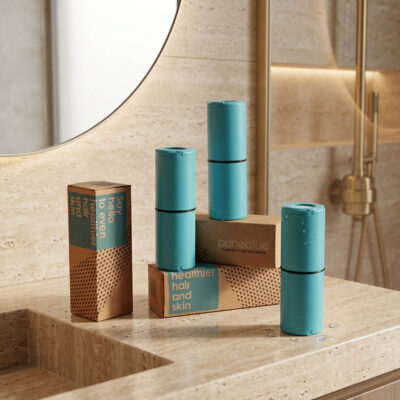
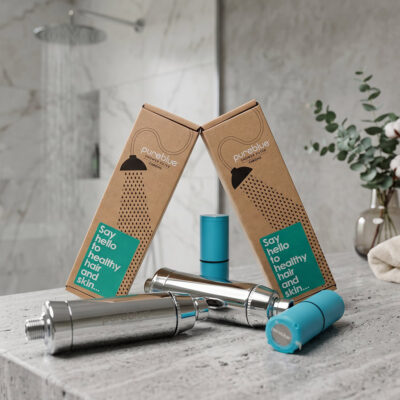
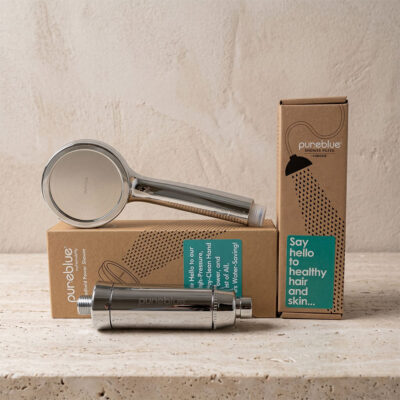
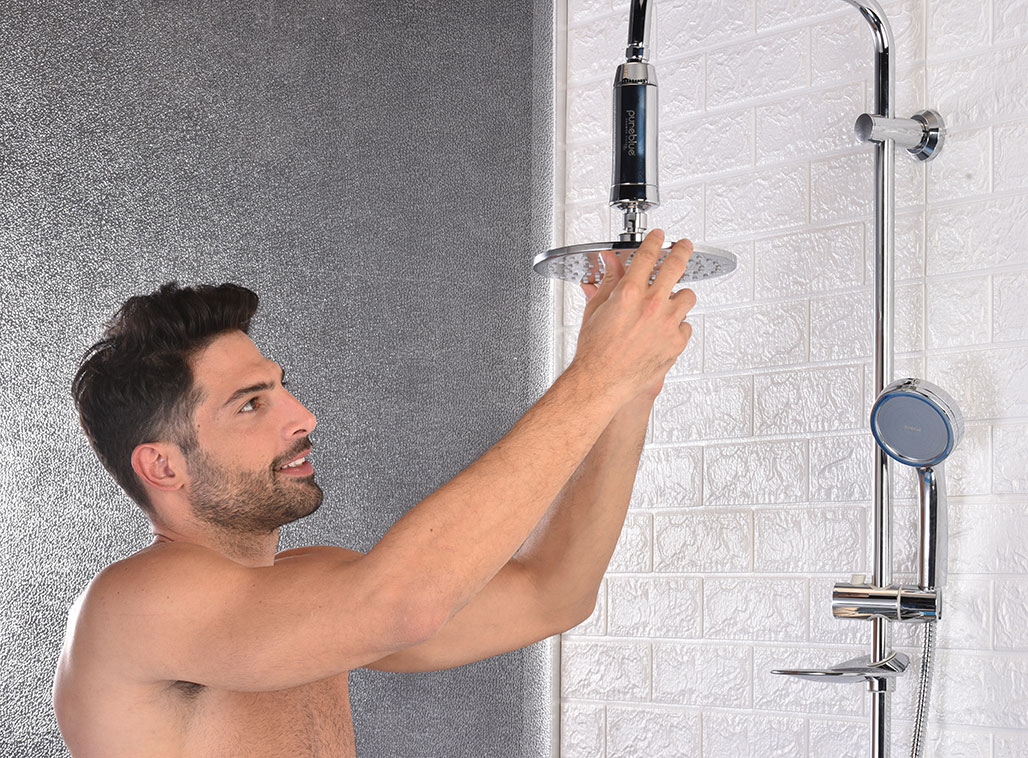
Using a shower filter might be one of the steps of your complete nail care plan that can help you shower effectively. Depending on the kind of technology, shower filters can remove different contaminants, yet you have to remember that they do not all help in removing the hard minerals which include calcium and magnesium.
What about a shower filter?
It is essential to avoid overstating the truth here.
A typical shower filter is not essentially a full-blown hard water softening system.
Traditional systems are unique products with real capacities to eliminate hardness minerals; however, shower filters usually offer removal of some other contaminants.
That’s why it is a good idea to double-check what the product can do before making a purchase.
If you are living in Dubai and wondering how your shower water can affect your skin and hair, it is reasonable to consider using a filtration system as a part of everyday rituals for your self-care routine.
At H2O PureBlue, the goal is to promote a better showering experience for all homes suffering from the negative effects of daily water use.
One must remember the overall picture by connecting water, products used, climate, and habits to use this combination in their respective advantages.
Basic Nail Care Routine in Dubai
If you can’t stop your nails from breaking, go back to the basics for a couple of weeks.
Morning:
After washing your hands, don’t forget to apply some moisturizing cream onto your hands, especially around the cuticle area and your fingertip.
During the Day:
While doing household chores, always wear gloves and try not to use your nails as tools while doing things like opening and scratching.
After Shower:
When drying your hands off post-shower, always use a dabbing method instead of rubbing them. Don’t forget to apply lotion on your hands and cuticle.
Weekly:
Always file your nails to a short length; filing too much is not good for the nails.
Long Term:
Consider your use of nail polish or any other substance that may contribute to nail breakage.
Summary
Nail breakage is not always about nail varnish, vitamins, or genes.
In Dubai, nails come in contact with a specific combination of heat, dry air, air conditioning, frequent washing, cleaning products, and tap water. Hard water might not be the single cause of nail breaking, but certainly it does play a role in the environmental equation when skin and cuticles are already under stress because of dryness.
The best way to solve the problem is not to search for some magic cure.
The most effective remedy is to establish a daily routine that would involve nail protection from unnecessary pressure, regular hydration of hands and cuticles, minimisation of harsh treatments, and control of water quality used for these procedures.