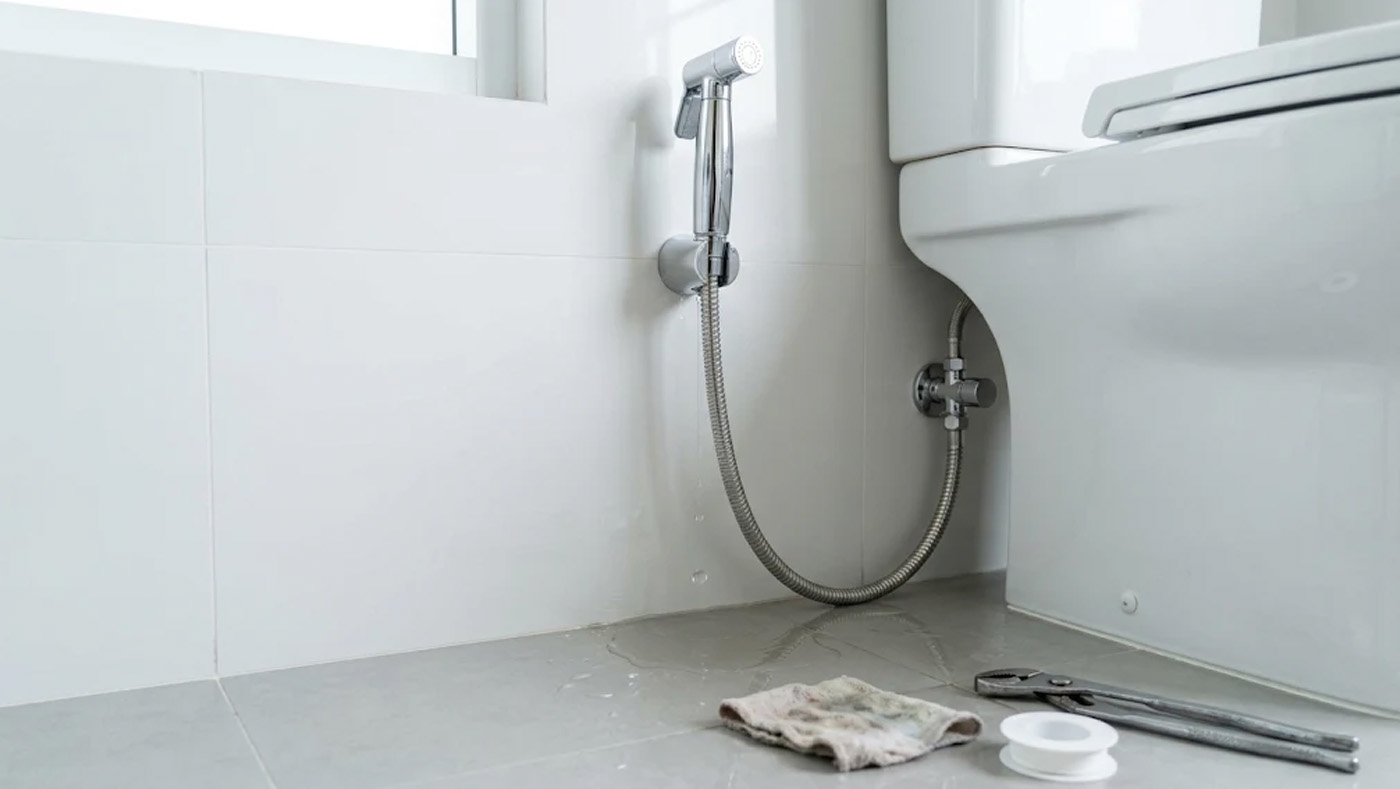
Ignoring a leaking device can make it worse. There are a few things that can cause clear dripping. It could be due to a bad connection between a hose and spray nozzle or a leaking connection or a bidet that keeps running after the trigger is pulled. Even if the amount of leaking is minimal, it can build up and create a problem.
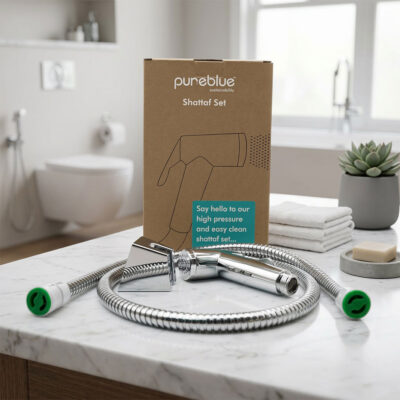
In the UAE, nearly all bathrooms have a shattaf, so it’s important to keep those in working order.
Have you ever wondered why your shattaf stopped working? It could be due to a broken hose, connection issues, poor water pressure, or age of the device.
Luckily, there are easy explanations for many problems related to shattaf leaking. Once you know what is happening, you can find the source of the issue and determine whether it can easily be resolved through adjustments and repair.
Let us look at the most common causes of shattaf leaks and learn ways to overcome them.
Loose Connection in the Hose
The most common cause of leaking shattaf is the defective connection between the spraying hose and water supply which becomes loose after some time.
Some signs to look out for are:
- Water droplets are seen at the connection points.
- Moisture is present at the joints of the spray gun.
- A drop of water is seen to be leaking from the fitting at the wall valve end.
What to do to fix the problem?
First is to stop the water supply and check for possible leakages in the fitting. If the joint is found to be loose, it must be tightened. However, it must be remembered that excessive force may break connection parts.
If leaking continues despite tightening of fitting, you may have to change the sealing ring in order to stop the leak.
2. A Damaged Rubber Washer or O-ring
Rubber washers and O-rings play a vital role in preventing water leaks at the connections of a shattaf.
Rubber washers and o-rings are important components, they form a watertight seal joining certain parts of the equipment together. It is crucial to understand that over time, continuous exposure to water pressure, fluctuations in temperature, and regular use will make rubber age, dry out, and lose elasticity.
Once this happens, water will start to leak at the joint.
1. Identifying the issue:
You may see a continuous drip flow even when you think that the hose fittings are tightly secured. The leakage may get noticeable after switching on the water supply.
2.What to do to solve the issue:
Turn off the water supply, disconnect the damaged connection, and check the washer or O-ring for any visible damages or wear and tear.
3. Excessively High Water Pressure
Another factor that could cause leakages in the shattaf is water pressure.
When the pressure of water surpasses the level of the device’s capacity, it can create strain on the hose, seals, connectors, and the mechanism of the spray.
With time, such pressure can weaken the components’ structure and increase the chances of leakages.
The water pressure level may vary in different buildings depending on their plumbing systems, level of the floor where they stand, and the equipment used for pressure regulation.
How to know about it:
- The flow is unusually strong,
- The water comes out from the places where the spray is switched on,
- The hose looks inflated and strained,
- There are leaks, although washers are regularly replaced and connections are tightened.
How to deal with it:
Have the specialist examine the water pressure in your house, as, if it is too high, you may install a hydrounit in your plumbing system.
Do not try to use an excessive amount of force when pulling the trigger of the shattaf.
4. A Defective or Broken Shattaf Hose
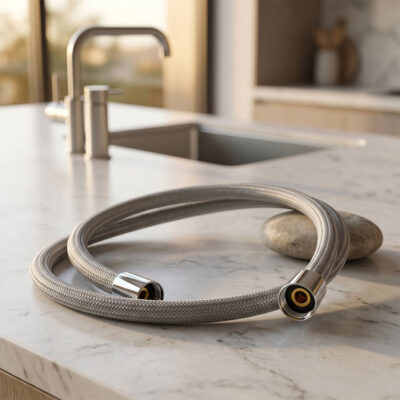
The flexible hose goes through continuous bending, twisting and moving. Whenever the shattaf is used, its hose also moves along with the hand.
With time, this characteristic movement has a negative impact on the outer layer and can also contribute to the formation of cracks in the inner lining of it.
Additionally, there are chances of small leaks at the hose ends since it often suffers from bending and moving.
How to recognize it:
Look for:
- Small drops of water forming along the hose.
- The presence of visible cracks, wear and bulges.
- Unforeseen water coming out of a random place.
- Moisture surrounding the hose regardless of the fact that connections are properly secured.
What action is required:
Conventional wisdom holds any corroded hose will have to be replaced, and must not be repaired using tape or any other temporary sealing solutions. A new hose must work with existing spray-head and fittings, as well as be suitable for the required water pressure.
Make sure you do not bend your new hose too sharply, and be careful not to twist it.
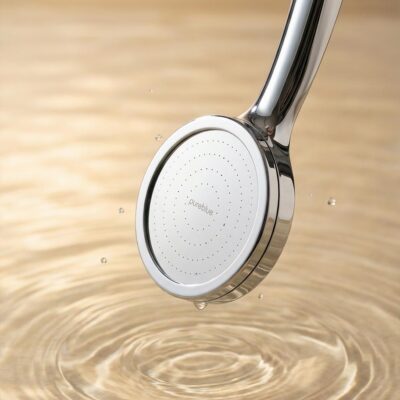
5. A Malfunctioning Shattaf Spray Head or Trigger
Sometimes the problem lies not with the hose or the plumbing connection. The leak can be on the inside of the spray head.
The trigger mechanism starts and stops water flow. Depending upon various designs used, it can work using either the internal seals or the valves.
If such parts are either worn or damaged or blocked, then leaking from the spray head can occur.
How to know about it:
- Water continues dripping from the spray nozzle even when the trigger is released.
- The trigger feels slack or does not return as intended.
- Spraying does not completely stop.
- Water is leaking from the trigger area.
The procedure should be as follows:
- Make sure that the spray head does not show any damage and that the trigger is not loose.
- Often, the best solution would be to replace the spray head if the valve mechanism or the sealing mechanism has failed. It is much wiser to use a new spray head instead of trying to open or change any internal mechanisms.
6: Mineral Deposits and Limescale Accumulation
Problem Description:
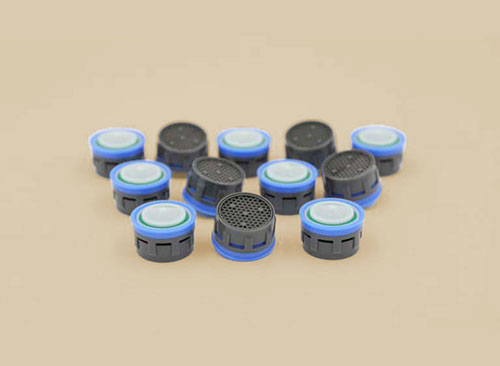
Hard water is common to many households in various parts of the UAE. This is due to the presence of dissolved minerals (Calcium and Magnesium) in the water.
Limescale
As the water runs through the nozzle and the tubes in the shattaf, limescale can build up on these parts.
Although a build up of limescale may not cause leaks in your shattaf, it can cause problems with the flow of the water from the sprayer, reduce the efficiency of the moving parts within and give an irregular water flow.
Problem Signs:
- White deposits/chalky residue.
- Unstable spray.
- Clogged outlets.
- Reduced efficiency of trigger.
Solutions:
Wipe the outside of the sprayer head with a cloth and an appropriate cleaning agent.
Avoid using abrasive materials or harsh cleaning agents on the nozzle of the sprayer. This may damage the seals.
If any of the internal components have become clogged by the build up of minerals, the sprayer may need replacing.
7. A Worn-Out or Low-Quality Shattaf
Like many other bathroom devices, a shattaf has a specific lifespan. Through continual use, water pressure, and gradual wear-and-tear, its operation can deteriorate over time.
Low-quality production processes and inferior materials might also cause internal components to wear out in the relatively challenging environment of a home.
If your shattaf has already started giving you multiple issues at the same time, the repairs for each single component won’t be the most cost-effective option.
Therefore, replacing the entire shattaf with a high-quality and suitable unit would be a better long-term strategy.
Steps to Stop Your Shattaf from Dripping
Though some damage is inevitable, following these easy practices can help minimize the chances of experiencing yet another leak from the shattaf.
1. Switch off the water supply after every use
If the bathroom is fitted with an independent shut-off valve for shattaf, it is advisable to turn it off after using it. This way, the time for which the hose and spray head are under constant pressure gets minimized.
2. Be careful while handling the hose
Use the hose with utmost care and try to avoid making any sharp bends. Continuous twisting weakens the material and breaks the connections.
3. Inspect connections on a regular basis
Make sure that you routinely inspect the joints of the hose, the spray head, and the connection of the water supply. Stopping even a small leak early can go a long way in preventing serious water damage.
4. Clean the mineral buildup as needed
Make sure that you clean the spray head and the parts around it on a regular basis using the correct cleaning methods prescribed by the manufacturer so that you can maintain a constant water flow.
5. Use quality replacement parts
In case you have to replace a hose, spray head, or a complete shattaf you must look at compatibility, material quality, and pressure range given by the manufacturer.
6. Do not neglect small leaks
Even if there is only a small leak, a lot of water could be wasted so it is best to repair this problem.
When To Replace
Depending on the cause of the leak in your shattaf, you may not necessarily need to replace it. If it is due to something simple, such as a loose connection, or a worn washer, it may just be repaired.
However, in some cases it may be best to replace your shattaf.
Replace your shattaf if
- There are cracks in the
- The shower head still leaks after simple fixes.
- The trigger is broken.
- Various components are worn.
- There are recurring leaks in the fixture despite multiple repairs.
A professional plumber may be able to advise you on whether you should repair or replace your shattaf.
Final Notes
Although leakage in your shattafs isn’t a major issue, it should be resolved promptly to prevent excess wastage of water.
Leakage can occur from a number of causes. It could be caused by loose fittings, a worn seal, damaged piping, excessive pressure in the pipes or scaling.
It is important to determine why your shattaf is leaking. However regular maintenance, careful use of your shattaf, and investing in quality products for your bathrooms, will make a huge difference in the long run.