Hard water Dubai teens shower through every day contains calcium and magnesium at levels well above the WHO guideline of 200 mg/L – UAE municipal water routinely measures between 300 and 500 mg/L depending on the area and building infrastructure. For a teenager showering once or twice daily after school and sport, that mineral exposure accumulates fast. The calcium and magnesium left on skin after each rinse disrupt the skin’s natural moisture barrier. The same minerals coat each hair strand, dulling it and making it harder to manage regardless of which shampoo is used.
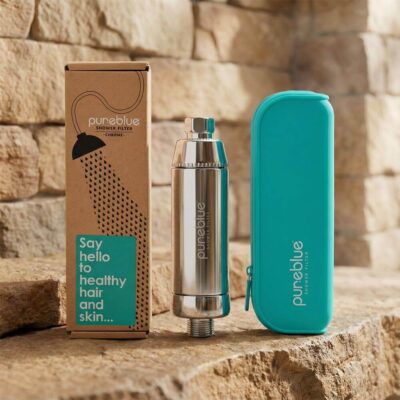
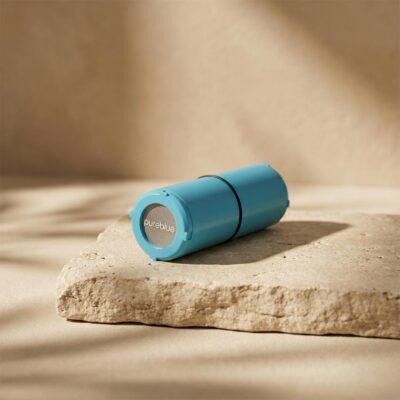
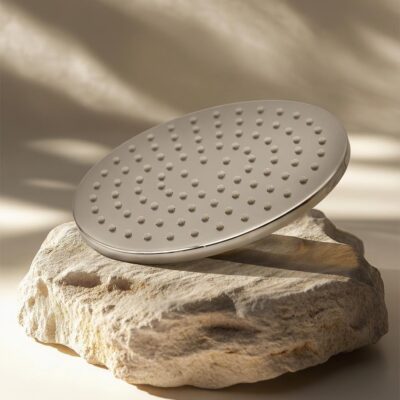
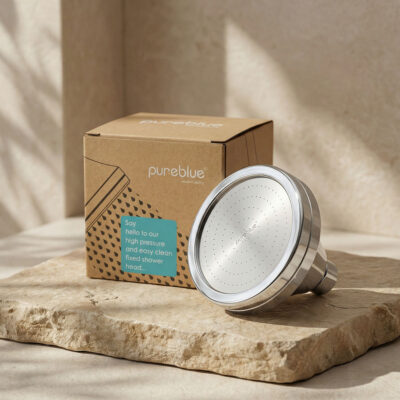
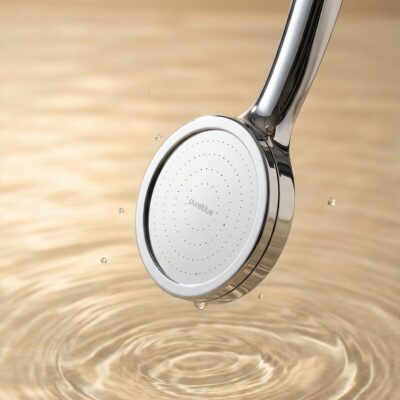
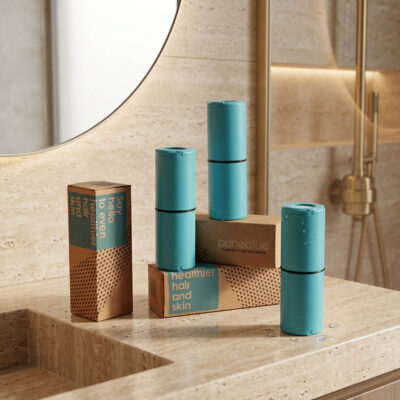
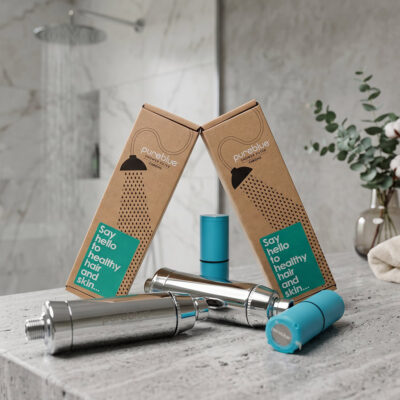
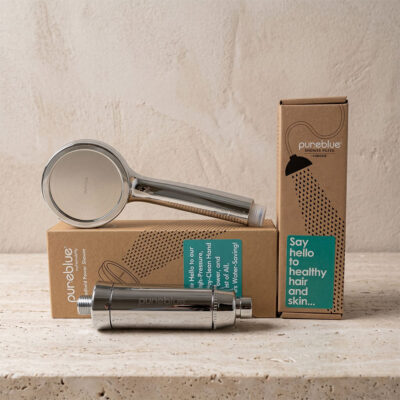
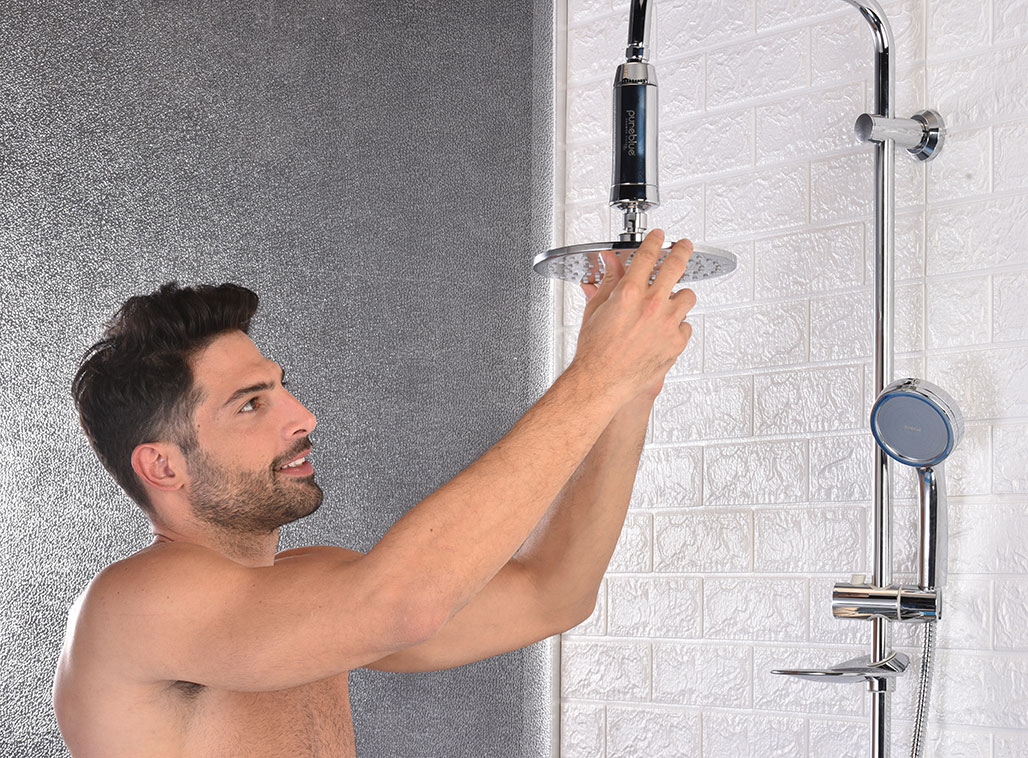
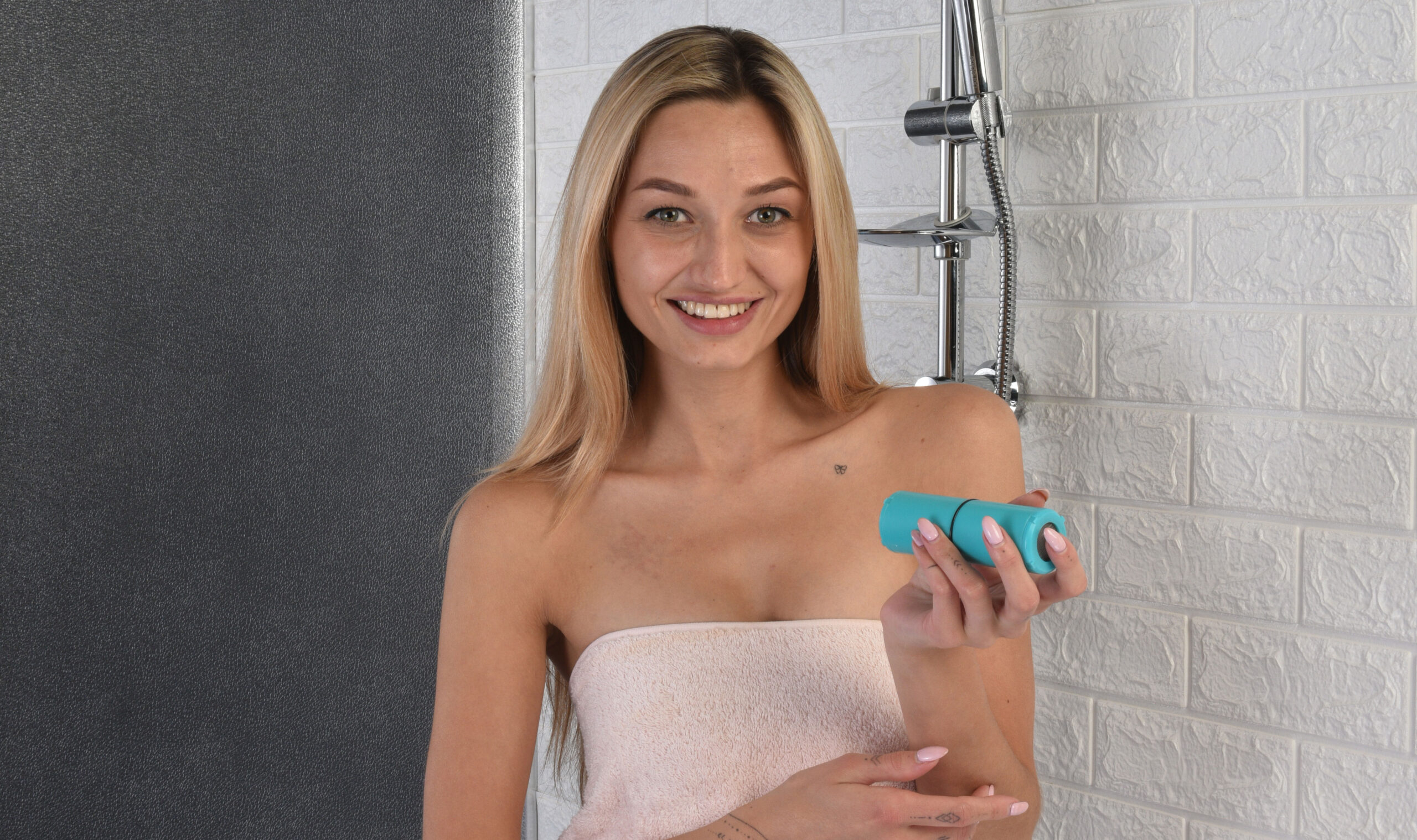
This is not a skincare product problem. Most Dubai families spend on creams, specialty shampoos, and salon treatments without questioning what the water itself is doing. Filtering the water at the showerhead removes the root cause. The Pure Blue shower filter uses KDF 55 – American-made filtration media – to remove 98% of chlorine and reduce dissolved minerals before water touches skin. It fits any fixed or handheld showerhead and installs in minutes with no tools.
Change arrives fast during teens. School piled on top of practice, hanging out, plus shifting hormones means fresh hurdles pop up especially around skin and hair. Breakouts show up more now, along with greasy faces, rough spots, tangled strands, and unhappy scalps. These struggles? They’re part of daily life in a lot of homes.
Most families spend time buying creams, special hair washes, lotions, or salon visits hoping for clearer skin. Yet what flows from the tap each morning tends to slip minds completely.
Most teens in Dubai bathe often, thanks to the heat and constant movement. When showers happen daily, what flows from the tap starts to matter more. Moisturized skin still pulls, like a thin layer too small. Itches creep in despite creams. Tightness stays put.
Some days hair just turns dull, even when you wash it every week. Roughness sticks around, it doesn’t matter what bottle you grab. Then flakes appear with no warning at all. Bottles that once helped now sit useless on the shelf. Hard water slips in slowly, leaving behind invisible layers. Moisture vanishes because of what builds up, not stays trapped.
Hidden in plain sight, habits fool you into thinking they help. Over time, hard water creeps through, making matters worse without warning. Spotting the invisible problem is where any fix truly begins.
What Hard Water Dubai Teens Are Actually Showering Through
Minerals like calcium and magnesium often seep into water supplies from rocks below ground. Though safe to consume, these elements shift how liquids mix with your body and cleaning products. Soap lathers less when it meets hard water. Hair might feel stiff afterward. Skin sometimes reacts differently too.
After showering with hard water, minerals sometimes stick around despite rinsing. With regular use, these leftover elements might slowly alter how skin and hair look or feel.
Spots show up on dishes after washing. Water leaves marks on shower doors. Soap does not lather well. Scale builds inside kettles. Pipes feel gritty when touched. Clothes come out stiff from the wash. Skin feels dry after bathing. Faucets develop crusty deposits. Hot water runs out faster than before. Towels lose softness overtime
- White residue on taps and showerheads
- Mineral buildup on glass surfaces
- Spots on dishes and fixtures
- Reduced soap lather
Minerals building up on sinks could be changing how your teen’s scalp feels. What sticks to faucets might also stick to strands, altering texture over time. Surface gunk has a way of showing up where you least expect – like in shampoo routines. Residues people ignore near drains can quietly influence rinse outcomes. Those specks on shower glass? They travel further than thought. Water marks host tiny particles that interact differently with young skin.
Why Teenage Skin Reacts Harder to Dubai’s Tap Water
Out of nowhere, teenage skin starts reacting to hormone swings. Oil production kicks into higher gear when puberty hits. Because of that shift, breakouts happen more often than before. Skin turns sensitive just as new patterns take hold underneath. Follicles struggle when too much sebum builds up day by day. As things change inside, signs appear where you see them first – like on the scalp. Little disruptions start shaping texture, even if slowly. Over weeks, hair might feel different without warning.
During adolescence:
- Oil glands become more active
- Acne becomes more common
- Skin can become more reactive
- Hair may become oilier or more difficult to manage
- Scalp conditions can develop or worsen
Hard water enters the picture, making those lingering issues stand out a bit more.
Just because water is hard does not prove it brings on acne or similar issues outright. Still, it can lead to parched patches, itchiness, or leftover residue from products making upkeep of skin and hair a bit tougher.
Hard Water Effects on Teen Skin in the UAE
Increased Dryness
Hard water often leaves skin feeling rough. Sometimes it flakes. Moisture seems to vanish after showers. A dull tightness appears. Many notice this right away. Bathing becomes less comfortable. Pores react badly. Soaps do not rinse clean. Residuesticks behind. Skin loses softness quickly.
After rinsing, leftover minerals might weaken how skin holds onto water. That layer underneath keeps dampness in while blocking outside stuff that could cause irritation.
If the barrier breaks down, teens might notice changes like these
- Tightness after showering
- Dry patches
- Flaky skin
- Rough texture
- General discomfort
Out here where chill hangs in the halls, breath fogs less but skin notices more. Drybites when warm winds vanish cheeks go stiff, mouths taste dusty. Rooms suckdamp out of the sky without a sound. Eyes sting first, then lips crack before lunch. Something about the air makes each breath seem edged. Without notice, a lack of moisture begins to show. Cracks appear where skin folds, behind ears, just inside the nose. Eyes flutter open and shut with extra frequency. Water gets drunk slowly, as if dose by dose. Even when cold hangs in the air, throats stay tight.
Struggling to Keep Skin Clear
Many teens follow detailed skincare routines designed to manage acne and excess oil.
After washing, traces of minerals from hard water might still sit on the skin. This leftover film could dull the impact of skincare items by blocking their way in.
Should dirt linger on the face, clarity often fades. Without proper care, balance slips away
.
Hard Water Effects on Teen Hair
For teens, dealing with hair problems can weigh just as heavily as struggles with skin.
From walking into class to stepping onto the field, good hair can shift how a person carries themself. Moments before meeting friends, it quietly shapes first impressions. Even daily routines feel different when strands look cared for. Confidence often shows up in small details like that.
Hard water can impact hair in several ways.
Dull Appearance
Over time, minerals stick to the surface of each strand. This layer dulls the natural glow. A film builds up slowly, changing how light reflects. What once looked bright feels weighed down. Tiny particles latch on with regular exposure. The result? Less sparkle, more flatness.
Many teenagers notice that their hair looks:
- Flat
- Lifeless
- Less vibrant
- Difficult to style
Still, once washed, hair might lack that crisp, fresh sensation people hope for.
Increased Frizz
Heat and damp air often lead to frizzy hair in Dubai. Many people there struggle with it daily.
Water rich in minerals might worsen things by roughening the surface of each strand. As a result, strands resist styling, tending to puff out at the edges.
Smooth strands often slip away when curls twist tight. Teenagers wrestling frizz know how hard it stays put. Shape fades fast without careful handling each morning. Tangles creep in by midday, no matter the routine. Definition wavers underhumidity’s quiet pressure.
Dry and Brittle Hair
Over time, minerals collect on strands, blocking water from getting inside. Hair stays dry when deposits seal the surface tight.
So now, hair might turn out like this:
- Dry
- Rough
- Brittle
Bent easier under pressure. Fragile when handled without care. Likely to snap if twisted too far
What if it’s not about using more shampoo? The real problem might hide in the tapwater. Sometimes parents see dry strands and reach for conditioners instead of questioning what comes out of the faucet. A different cause waits behind the showerstream. Could clarity come from turning off the tap before piling on lotions? Water quality plays its part, quietly. Not every fix needs a bottle.
Common Scalp Issues Teens Miss
Just like your face, your scalp is skin still, it gets overlooked more often. Instead of equal care, it sits neglected while mirrors focus elsewhere.
Hard water may affect scalp health by contributing to:
- Dryness
- Flaking
- Itchiness
- Product buildup
Soap meant for hair can leave a film if minerals stop it from washing out fully.
Heavy residue might leave the scalp tingling, almost buzzing, while strands seem to lose freshness faster than before.
Water quality matters more than most realize when it comes to growing strong hair. A clean scalp doesn’t just happen what flows from the tap plays a quiet but vital role.
The Hidden Cost Of Hard Water
Many families spend significant amounts on:
- Acne treatments
- Moisturizers
- Hair masks
- Specialty shampoos
- Salon treatments
- Scalp care products
Though helpful in some cases, these items might miss the underlying issue when poor water contributes to the trouble.
When water gets cleaner, lotions and shampoos might work a bit better. Families could see changes without switching what they buy. It’s possible that fresher water simply lets everyday items do their job.
Hard Water Effects On Teens
Should a teen show many of these signs, it could point to the water they’re using.
Skin Signs
- Persistent dryness after showering
- Tight or uncomfortable skin
- Increased sensitivity
- Flaky patches
- Difficulty maintaining hydration
Hair Signs
- Dull appearance
- Excessive frizz
- Dry ends
- Hair that feels coated after washing
- Increased breakage
Scalp Signs
- Itchiness
- Flaking
- Product buildup
- Hair becoming greasy quickly after washing
Though plenty of things might trigger such issues, one common culprit gets ignored- hard water.
Healthier skin and hair at home
Thankfully, some basic moves at home might make a real difference when it comes to shielding a teenager’s skin and scalp.
Encourage Proper Hydration
Water taken regularly each day helps keep skin healthy, hydrated too. Sometimes it shows results slowly, yet the effect stays clear over time.
Choose Mild Skincare Items
Start with a soft touch and harsh soaps pull away what the skin needs. A calmer formula tends to work harder where it counts.
Moisturizing Hair Care Products
Moisture-rich shampoos work when weather strips hair of natural oils. Conditioners step in afterward, restoring softness lost to wind and sun exposure.
Maintain Consistent Routines
Healthy habits often deliver better results than constantly switching between products.
Consider Water Filtration
A better way to handle things over time? Fixing how clean the water is inside your house. Starting fresh with clearer water changes more than you’d expect.
Water feels softer when impurities are removed. Bath time becomes gentler on skin once minerals are toned down. Cleaner flow means fewer residues left behind. Each rinse leaves a smoother touch. Families notice the difference without knowing why. Less buildup changes how water behaves. A quiet upgrade makes daily routines feel easier.
Water Quality Impacts Health Environment Daily Life
Water quality usually makes folks think of what they drink. Still, the liquid that touches skin and hair during showers matters just as much each day.
Teens in Dubai often hit the showers after sports or school events, thanks to the hot weather. Each rinse under the spray counts when routines pile up day by day. Rinsing off daily turns into a steady habit one drop at a time.
Cleaner, higher-quality water can help support:
- Softer-feeling skin
- Improved moisture retention
- Better hair manageability
- Greater comfort after showering
- A healthier overall grooming routine
Though clean water isn’t a cure-all for skin or hair issues, it might take away one hidden barrier blocking better outcomes.
Teens Feeling Confident Daily
Most teens link their confidence to how they see themselves. When skin acts up, it shifts the way some kids show up around friends. Hair troubles? They weigh on feelings just as much. Emotions run deep during these years, shaped by more than just moods.
Water shapes how we feel each day, more than most notice. Better quality meanseasier showers, clearer drinking experiences. Life runs smoother when what flows from the tap supports it. Wellness hides in routines often overlooked. H2O Pure Blue focuses on that quiet difference.
Water might be the hidden culprit when routines fail. Should regular lotions and shampoos fall short, pay attention to what flows from the tap. A steady regimen could still miss the mark if minerals in water irritate skin or tangle strands. When flakes persist or itchiness lingers, examine that daily rinse. Solutions sometimes lie not in creams but in clarity of supply. Even consistent care can’t always override harsh elements washing through.
Water matters just as much as products when it comes to skin and hair health. What flows over them every day plays a quiet but powerful role. Not only cleansers shape results – what runs from the tap does too. The unseen part of routines often makes the real difference. Rinsing counts more than most assume.