Evening rolls in slowly after hours stuck behind the wheel, back-to-back work talks, kids needing attention, plus that heavy desert warmth pressing down. Tired bones don’t guarantee shut-eye comes fast. Cold indoor air stays sharp on the skin while glowing screens keep eyes wide open. Worries loop through the mind like old recordings. Heat clings under the sheets even when lights go out.
Most folks worry about coffee or phone screens at night. Yet they miss something small that could help just as much – washing off the day with warm water when dusk comes around.
Later in the day, how you take your shower especially when it happens might quietly shape how well your body settles into rest. People in Dubai, facing heat all through the year, could find this routine an effortless way to get better sleep without extra effort.
Why Sleep Is Hard in Dubai
Hot days stretch across Dubai’s summer season, lasting deep into the year. When night arrives, it brings little relief – heat lingers outside well past dark. During peak times, the warmth just refuses to fade.
Out there under the sun, heat slips through before you even feel it. Just stepping outside, especially near tall buildings, builds up unseen warmth. On public transit, trapped air holds onto rising temps longer than expected. Movement from exercise pushes body heat upward without warning. Heat sticks around after a short walk between rooms. Stuck beneath fabric, it lingers on skin far past arrival.
Warmth clinging to your skin sticks around, even if the air feels chilly. Though the space cools down, that subtle trace of heat nudges your body’s nighttime rhythm offtrack.
Falling asleep isn’t just about being tired – body heat shifts quietly when drowsiness hits. Nighttime rest dips or deepens based on subtle warmth changes inside. Most overlook this inner thermostat guiding sleep quality hour by hour.
The Science of Body Temperature and Sleep
When night draws near, the brain signals a drop in body heat. This daily shift lines up with an inner timer most people carry without noticing.
When the air cools, your mind begins to notice it is ready for sleep. Because of this shift, chemicals in your system slowly turn on, easing you into calmness and drowsiness.
Yet if the heat stays high, things can slow down. It could feel like waiting watching time stretch out without moving forward
- Tossing and turning
- Struggling to fall asleep
- Waking up frequently during the night
- Feeling less refreshed in the morning
A quiet rinse after sunset shifts something small but real.
Evening shower for better sleep
Most folks think a hot shower at night warms you up too much for rest. Yet here’s what happens instead: body heat drops faster after stepping out into cooler air. That shift can actually ease the move into deep sleep.
Warm water makes blood vessels just under your skin widen. Once you leave the shower, heat escapes from your body faster than before. The air around carries it away.
As things cool down, the body often follows by lowering its internal heat – this shift lines up with getting ready for rest. A dip in warmth can quietly signal it is time to drift into sleep. When temperatures fall, so does resistance to closing your eyes.
Coolness moves through like a hint, nudging systems toward stillness. The way air changes around you sometimes pulls your inner state along. Lower heat creeping in matches what happens when night takes hold.
So now, lots of people notice:
- Faster sleep onset
- Increased relaxation
- Improved sleep quality
- Reduced nighttime restlessness
The body reacts naturally because it follows its own built-in rhythms instead of fighting them.
The Mental Perks of Showering at Night
Rest goes beyond just a cozy bed. A calm mind matters just as much.
Evening thoughts tend to race when daily tasks refuse to pause. Messages pile up just as the sun goes down, scrolling fills quiet moments instead of stillness. Headlines shout while chores whisper unfinished business. The clock ticks past rest time yet mental gears never disengage.
Later in the day, water running over skin marks a shift from doing things to slowing down. A rinse under warm streams helps separate daylight hours full of motion from quiet bedtime stillness.
Some folks find that short stretch of time hits like a restart on their day.
Water flows. A sense of cleanness settles in. This small break from noise clears space in your head. It sets things right before sleep takes over.
Starting the wind-down isn’t only for hygiene – instead, it sets a rhythm each night through small repeated steps. A nightly pattern tells your body the day has finished.
Washing Away Dubai’s Daily Grime
Living in Dubai means regular exposure to:
- Dust
- Sand particles
- Humidity
- Sweat
- Air pollution
- Sunscreen residue
- Heat
Should you stay inside most hours, still such particles find their way onto your skin. Unexpected places host buildup – your face included. Inside walls offer little shield when tiny things drift through air. Though sheltered, contact happens without notice. From screens to sunlight near windows, exposure slips in quietly. Dust, oils, even invisible bits settle regardless of doors being shut.
A warm rinse at night clears away what gathered during daylight hours. This leaves a lighter sensation on skin once bedtime arrives. Getting clean makes lying down easier.
Pores stay clear when washed before bed, so grime does not sit through hours of rest. Dust loses its grip that way. Sweat washes away instead of lingering into the morning light.
Washing off the day tends to leave folks calmer, sleep comes easier that way. Heat makes it worse, yet a rinse changes how bodies settle at night.
Water Quality Importance
Though hitting the shower at night helps, what flows through it shapes how you feel afterward.
Surprisingly, tap water doesn’t just matter when you drink it. Shower time? That’s where it shows up on your skin, in your hair, even how you feel afterward. Rinsing off might seem routine – yet what flows through the nozzle plays a quiet role.
Minerals piling up in water? That could be part of the problem. Sediment floating through pipes might play a role too. Chlorine leftovers from treatment sometimes add to the mix. Other contaminants sneaking in won’t help either. Each one possibly ties into what happens next
- Dry skin
- Tightness after showering
- Scalp irritation
- Dull hair
- Increased sensitivity
Waking up to itchy skin after a night rinse? That calm you hoped for could slip away fast.
The Connection Between How Skin Feels and How Well You Sleep
Falling asleep comes simpler when your body settles right. Not soft enough, the seatfights sleep without noise. A cushion out of place – it tugs at calm like wind through a crack.
Midnight stillness creeps in when hydration lingers, irritation steps back. Quiet returns after itching lets go without warning.
Resting flat might intensify areas that are dry or tender. Reactions shift the moment you lie down. Things become clearer only after lying still. Nighttime silence reveals what busy hours hide. Stillness brings forward feelings and movement kept at bay.
This is especially true when people deal with situations such as:
- Sensitive skin
- Dry skin conditions
- Seasonal irritation
- Scalp dryness
Water, once filtered, can make your rinse feel smoother by evening time. A few weeks down the line, the change may quietly enhance appearance too. Gentle snow cleaner showers usually strike the skin. Not fast, but clear – improvements creep in. Slowly seen, yet there. Comfort shows up in a new way once impurities fade. Quietly, it grows – no announcements needed.
Building an evening shower routine
A warm rinse before bed might just shift how well you rest, when tweaked the right way. Small changes – like timing or temperature – could tilt things toward deeper sleep without extra effort.
Choose the Right Timing
Later in the evening, try washing up around one or two hours prior to sleeping. Sleep tends to come easier when body temperature drops after a warm rinse earlier that night.
Slow drops in temperature signal restfulness, helping you drift off more easily.
Keep Water Warm Not Hot
Hot water might remove the skin’s natural moisture, possibly leading to dry patches. Sometimes too much heat disrupts the surface balance. This effect shows up faster in sensitive areas. Overheated showers tend to leave a tight feeling behind. Moisture loss like this happens quietly at first. The result often appears as roughness later on.
Warmth that feels just right tends to ease tension while staying gentle on the skin. Sometimes a soft flow of heat helps more than extreme temperatures ever could.
Limited screen time after
After you finish showering, give your eyes a moment before turning on glaring lights. Maybe wait until the steam clears. Bright displays can feel harsh when your pupils are still adjusting. Let the room settle first. The sudden glow might disrupt your calm. Wait it out, just briefly. Then ease into the light.
Just let that calm feeling linger while you read, do some gentle stretches, or enjoy quiet moments. A soft rhythm stays when movement is slow.
Stay Consistent
Most days, it likes knowing what comes next. A pattern shows up in how muscles move, thoughts clear. Without chaos, energy finds steady paths. Order brings calm – simple as that.
Every night around the same hour, stepping into the shower helps link that routine more closely with bedtime. Later on, just turning on the water might signal your body it is time to wind down.
Later on, the mind starts linking the shower with getting ready for sleep.
Small changes bring big results
Some people grab complicated solutions when sleep acts up. Sometimes.
Midnight arrives and some reach for expensive mattresses, bottles full of tiny promises, wristbands tracking each heartbeat. Others lean into routine instead – slow patterns shaped by repetition, not price tags. Fancy sheets appear alongside apps whispering sleep tips at 2 a.m. Meanwhile, quiet corners host tea drinkers following the same sequence night after night. Gears turn differently under one roof: one person swaddled in smart blankets, another sipping chamomile without checking a screen.
Expensive tools hum beside worn journals where bedtime means flipping pages, not settings.
Most gains happen not through tools, but by showing up each day with steady habits. While devices can lend a hand once in a while, growth hides more in repetition than in quick fixes.
Water at night becomes routine, somehow. Most people land there without meaning to. What feels like a small wash turns into something more. Around that act, habits form slowly, quietly. Rest follows, shaped by the rhythm.
Water first, then dimming screen glow after dark changes how rest unfolds. Through time, a warm room nudges things further along. One shift follows another until nights stretch longer, quieter, fuller.
The H2O Pure Blue Difference
Water shapes how you feel each day at H2O Pure Blue. From the moment it touches your lips to when it hits your skin, every drop matters. Not just for sipping, think boiling pasta or rinsing off after work. This is about more than cleanliness. It’s tied to energy, clarity, even mood. What flows through your pipes helps define normal moments. Simple acts become better with cleaner water. That belief drives everything here.
After your evening shower, you ought to feel calm, clean, washed away of tension. Water that lacks impurities helps avoid irritation instead of causing tightness or itchiness later on. A restful state follows when skin stays balanced, undisturbed by harsh elements lingering in the flow.
Starting each morning with purer water means your showers feel different, even if just slightly. That shift touches more than scalp or skin – it reshapes how dressing, washing, brushing begin. Little rituals gain quiet strength when what flows from the tap carries less weight. Over time, these moments stitch together into something steady beneath the surface. You notice it not in flashes but in consistency, like a hum behind motion.
Final Thoughts
Most nights here feel loud, yet choosing rest pays off better than almost anything else for how you feel. Sleep slips through the cracks in a place always moving, but it shapes wellness more than people admit.
Here’s something useful: small steps can improve rest. Often, it starts with one quiet routine at night.
Later in the evening, a warm shower eases your body into cooling mode. It gives tension room to leave your thoughts. Water clears traces of daily strain. Sleep finds its way more easily after this quiet reset.
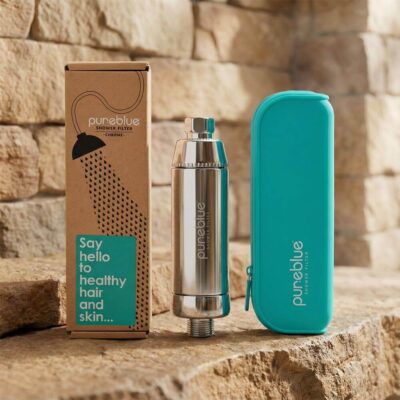
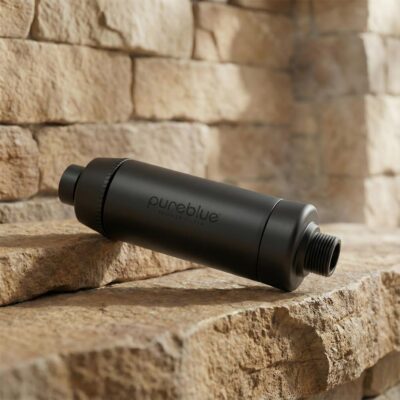
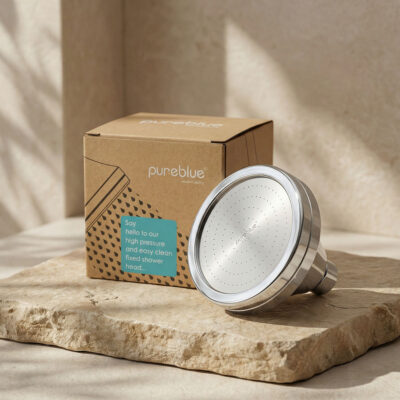
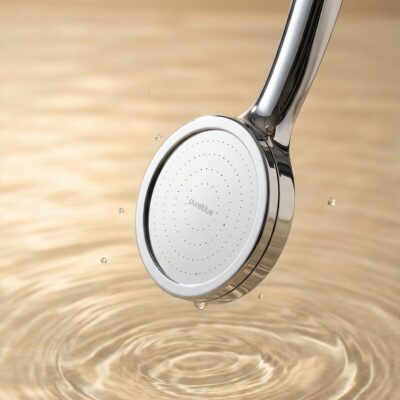
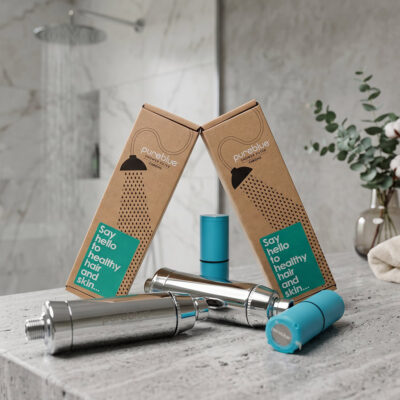
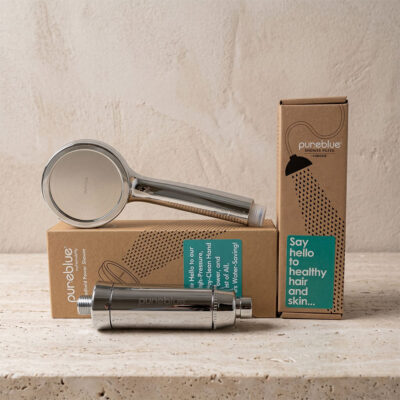
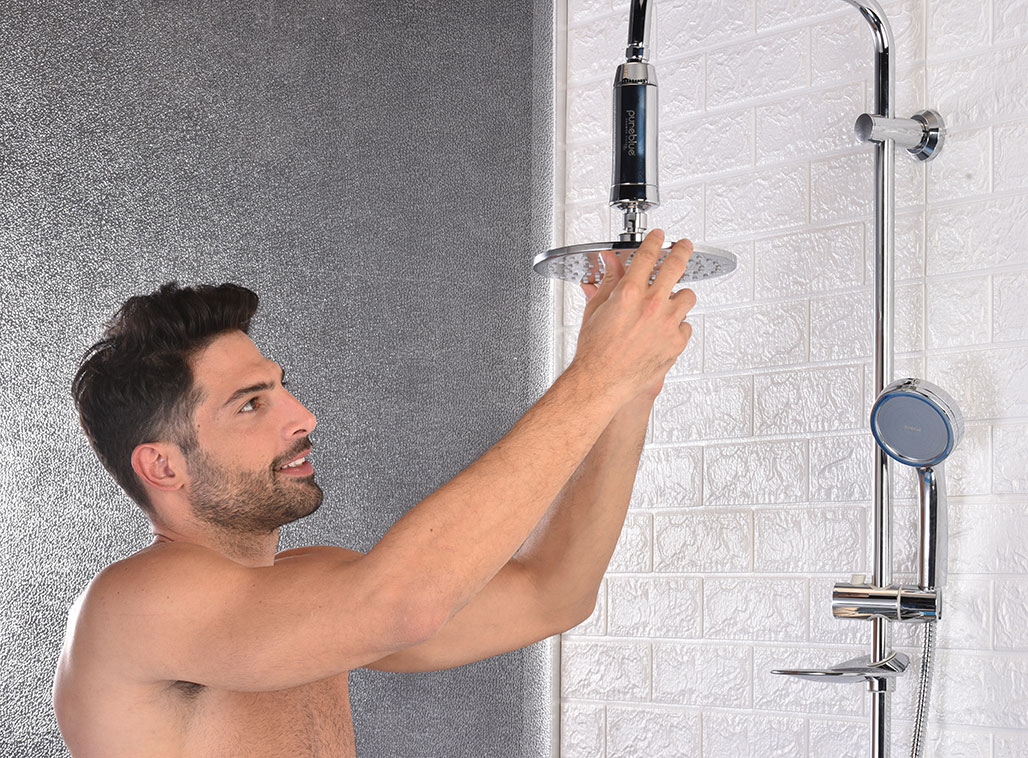
When the shower fitted with pure blue shower filter flows with purer, better water, everything feels smoother. A quiet shift. Water like that changes how it lands on skin. It alters the air somehow. Light bounces differently off wet tiles. Moments stretch just a little longer. The warmth stays deeper. Steam curls without harshness. Clarity rises with each drop. Simple things grow richer.
Maybe pause tonight. Skip the usual sprint from desk or phone to pillow. Try lingering in the warm spray a little longer than normal. The body might notice. Sleep could shift, just slightly. Warmth slips into muscles. The mind unwinds without effort. Minutes stretch differently here. This small halt – even five breaths changes the fall into darkness. Night takes on new weight.
Follow us on instagram