Every splash counts when performing Wudhu, even if most overlook it. Over palms, across the face, down to the feet each flow is measured by prayer times. More than washing, it’s a turn inward, a quiet focus on faith. Yet modern supply brings hidden concerns along with clarity. The practice holds firm, century after century, while what flows through remains rarely questioned.
After sunrise, bathing where minerals flood the water can chip away at your skin defense bit by bit. It feels normal, yet repeated exposure tends to bring dry spots or irritation – signs a few fail to trace back to household pipes early on. Those elements stay behind, clinging well past the rinse cycle, hiding in plain sight without notice.
Rough water might tweak how your skin reacts when doing Wudhu. Dry or irritated patches? That could come from minerals hiding in the tap flow. Tuning in lets care meet ease. Subtle changes in what you notice open paths to gentler routines every single day.
What Hard Water Actually Contains – The UAE Context
Minerals like calcium and magnesium dissolve easily in some water sources. When levels climb, that liquid turns what experts call hard. Skin meeting this mix often reacts differently than expected. These elements occur without human help in nature. Drinking it does not usually harm most people. Yet touching it regularly might bring irritation for certain individuals.
Water in some Middle Eastern cities, especially parts of the UAE, comes from treated ocean sources. Though safe to drink, its contents change depending on local storage systems and purification methods. Depending on the place, pipe material scan alter what ends up in the tap. Shower after shower, streaks may build up on bathroom surfaces – glass, tile, even skin. These white marks appear because minerals stay behind when water dries. Local processing styles explain why one neighbourhood sees more residue than another.
Right away, the shifts seem tiny. Still, touching your face often say, while washingbefore prayer – builds slowly, until the difference becomes obvious later on.
Water Repeatedly Affecting Materials Over Time
After water meets the hands, it climbs toward the mouth, slipping into the nostrils. With every break, the face gets wet again. Up to the elbows, arms take turns under the flow, rinsed separately. Over the scalp goes a wet palm, fingers threading slowly through strands. Water moves up as ears feel the splash first. Only at the close do feet soak, lingering in the flow.
Water locked inside often keeps outer layers strong when natural moisture teams upwith grease made by the body. This blend blocks invaders while holding wetnessdeep within. From here, protection works silently against drying threats.
Washing often might help for a while by clearing extra dampness off the top. Yet if your water runs hard, tiny bits of minerals stick around even once you’re dry. These leftovers build up slowly, messing with how skin keeps things steady. Holding onto wetness becomes harder when that balance gets thrown off.
Whatever happens next could look like this
- Dryness
- Tightness after washing
- Increased sensitivity
- Itching
- Rough texture
- Flaky skin
- Dull appearance
Some people feel it fast. Others barely at all. If your skin reacts easily, chances are you’ll spot changes sooner than most.
Hard Water Impact on Skin Barrier
Imagine your skin like a wall built brick by brick. Working right, it locks moisture inside while blocking outside invaders. A strong layer stays tight, keeping trouble out.
Heavy minerals in water might disrupt how this shield works, right away. Not only do they build up over time, but also reduce its effectiveness slowly. Sometimes particles stick where they should not, messing things up later. Other times the balance shifts without warning, causing unseen changes down the line
Mineral Residue Buildup
As moisture escapes from the surface of your skin, tiny mineral specks stay put. This leftover film sometimes changes texture and performance over time.
Many people describe the sensation as:
- Skin feeling “coated”
- Difficulty achieving a clean feeling
- Increased dryness after washing
Reduced Moisture Retention
Water rich in minerals might disrupt your skin’s ability to hold onto moisture. When hydration slips away faster, you’re left with tightness that lingers by midday.
Increased Sensitivity
When skin is extra reactive, bathing in heavily charged water can add fuel to the fire. Trouble might flare up where it’s already present. Those fighting eczema could find their balance tipped further off track. Irritated patches often respond poorly to added elements. Sensitivity tends to rise when minerals flood the surface.
Over time, doing Wudhu every day might highlight these signs, especially in warmer weather when the skin faces extra strain from outside factors.
The Link Between Hard Water and Dry Skin on the Face
Washing your face a lot during Wudhu means it’s usually the first spot you notice what hard water does. Sometimes changes show up there before anywhere else on the skin.
Common complaints include:
- Right away, clothes feel snug once they’ve been washed
- Dry patches around the cheeks
- Increased redness
- Difficulty maintaining hydration despite skincare products
Most people never think about the water touching their skin every day, even while buying fancy creams or following long skincare steps. Products get the spotlight, but what comes out of the faucet matters just as much behind the scenes. Skin changes slowly based on what washes over it, maybe more than what’s layered on top. Rinsing happens each morning, again at night, always paired with soap, spray, wetlands but hardly anyone checks what travels through those drops
Water touches skin far more often than a serum does.
Water’s minerals meet skin again and again, dulling cream effects. Protection thins with ongoing contact, outcomes fade. What worked before slips away slowly. Familiar steps falter when dampness persists.
What About the Hands?
Fingers often show damage first when touched too much by harsh stuff. Skin then changes fast under constant contact.
Washing hands well happens every time during Wudhu. Because of daily routines like this one, skin meets water far more often than usual.
Hard water may contribute to:
- Dry knuckles
- Cracked skin
- Rough texture
- Increased sensitivity
When jobs mean lots of handwashing, changes in skin show up faster.
Moisturizer Might Not Do Everything Your Skin Needs
Some folks reach for extra lotion when skin feels parched. Yet even with regular cream use, the real problem might still be ignored.
Spending hours each day around hard water means your skin could keep dealing with similar issues – over and over again
- Exposure to mineral-rich water
- Temporary moisture loss
- Mineral residue remaining on the skin
- Increased dryness over time
Stuck in repetition, this pattern resists deep moisture retention.
Most days, clearer water makes washing feel gentler on skin. Pair that habit with regular care steps, yet keep things simple. Smooth results often follow when both elements work quietly together.
Water Quality And Skin Reactions
Should Wudhu happen often, yet certain signs show up, maybe it is time to think about the water used. A change in how things feel could point straight to what flows from the tap
- Skin feels dry immediately after Wudhu
- Persistent facial tightness
- Increased irritation despite using gentle skincare
- White residue on taps or shower fixtures
- Dry hands throughout the day
- Difficulty maintaining skin hydration
- Recurring itchiness without an obvious cause
Though many things might trigger such issues, one common culprit gets ignored hard water. Sometimes it’s not what you expect that plays a role, yet minerals in water show up quietly. A hidden influence slips through daily routines, leaving traces people miss. Not every cause shouts for attention; some linger just beneath notice. What seems minor can weigh heavily over time without clear warning.
Gentler wudhu habits
Starting fresh each day, small changes to your Wudhu routine could ease skin discomfort. Yet changing the core steps won’t lead to healthier skin.
Pat Dry Instead of Rubbing
After completing Wudhu, dab your face and arms with a soft fabric – pressure can irritate sensitive patches. Gently soaking moisture away works better than scrubbing motions.
Apply Moisturizer Consistently
Early morning or late night, just after prayer, a bit of hydration fights dry air. Quicksoak-in means thin formulas work fine. Timing matters more than amount applied. Skin learns what to expect – daily habits shape its behavior. Small moves last longer; they change texture over weeks.
Stay Hydrated
Water works its way through you. Staying topped up across hours helps skin stay balanced.
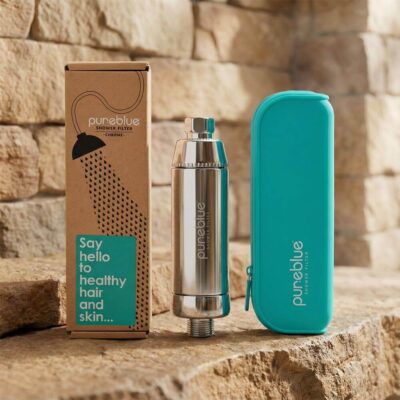
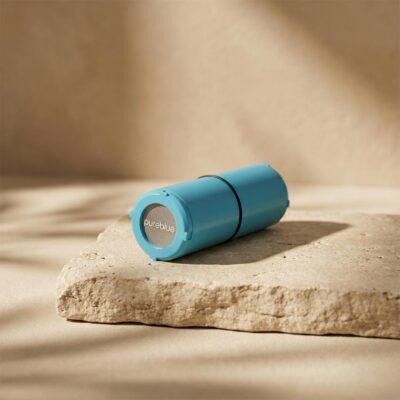
Consider Water Filtration
Filtration stands out when it comes to cutting down on unseen contaminants. Water meant for cleaning gets a noticeable upgrade once filtered. What helps most is how the process traps particles before they reach skin or surfaces. Clarity improves without altering temperature or pressure. Removing grit, dust, or residue happens quietly behind the scenes. A steady flow still moves through, yet cleaner than before.
Fewer irritants show up where they’re not wanted.
Water feels better on your skin when impurities are removed. Fewer unwanted particles mean less irritation during showers. Clean flow supports a gentler routine over time. Filters play a quiet role in daily comfort through consistent purification.
Filtered Water and Skin Health
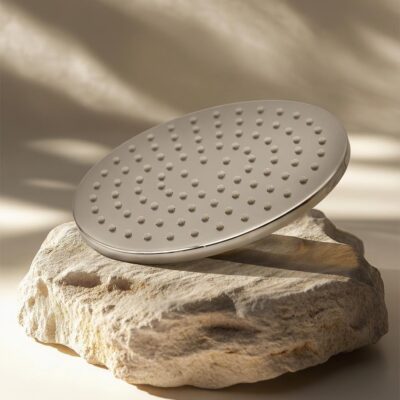
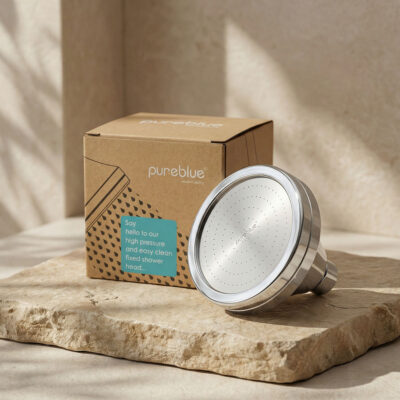
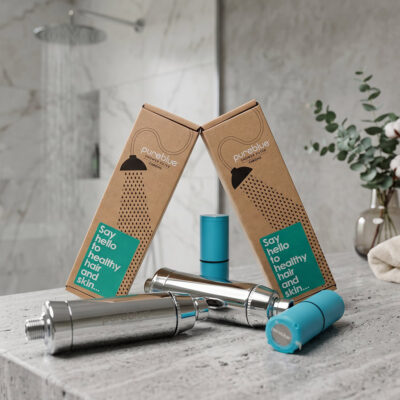
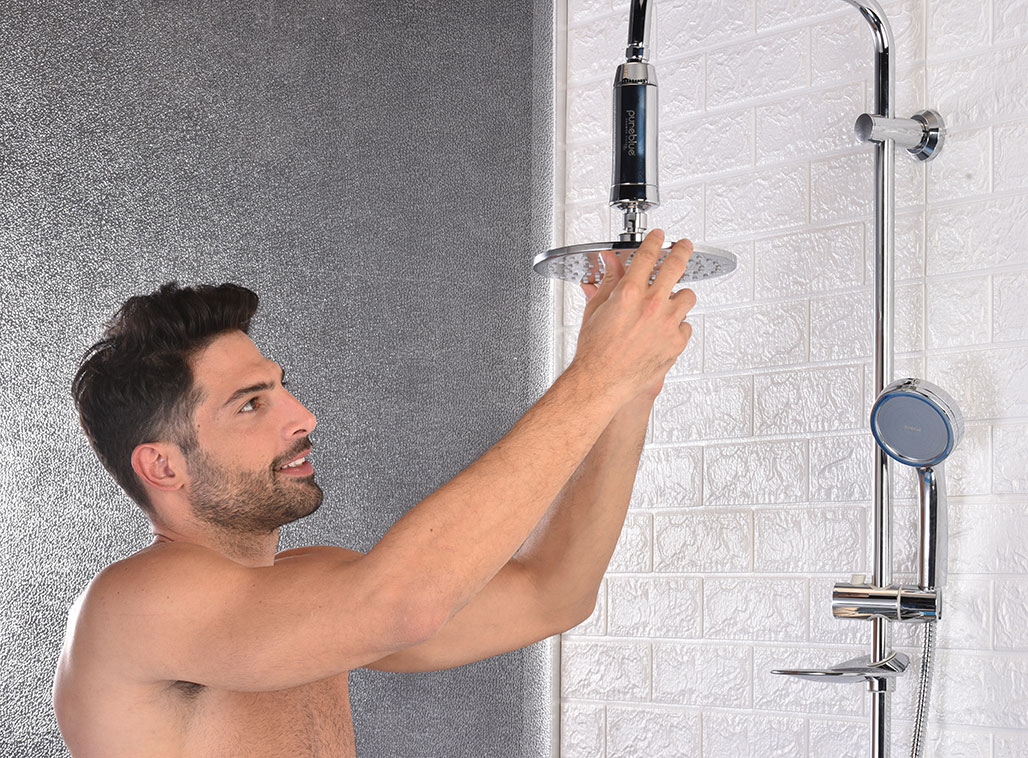
For people washing their hands many times each day, using filtered water might change how their skin feels. Shower filter does exactly what’s mentioned here. Not everyone notices it, yet results often show up after weeks of steady use. Skin sometimes reacts better when impurities are removed from what touches it daily.
Many users report:
- Less dryness
- Softer-feeling skin
- Less stretch found once it’s been laundered
- Improved comfort for sensitive skin
- Better performance from skincare products
Some see changes fast, others slow – cleaner water tackles a detail most miss when caring for their skin each day.
Over days of repeated Wudhu, slight upgrades in water purity might slowly show difference. A person going through it again and again sees subtle shifts when the flow is cleaner. Tiny changes add up quietly with every rinse. Each round carries the chance for better results if what runs matters more. Repeated contact means minor details grow larger over weeks.
A Small Shift for Everyday Ease
For many Muslims, wudhu isn’t just routine; it shapes each day. Though it brings purity and focus, the kind of water matters more than most realize. Touch matters too; your skin notices what you pour on it. Some days feel smoother, others tight; small shifts add up.
Water from your faucet could be the unseen culprit behind dryness, even when you’re diligent about moisturizers. Maybe that stinging feeling isn’t your skin acting up – perhaps it’s what flows out of the tap each morning. Skip the guesswork with serums if the real issue hides in plain sight. Your shower might be washing away more than dirt. Relief sometimes means stepping back from bottles and questioning the liquid running through pipes.
Water that feels clean makes life feel better. When daily routines like bathing or cleaning include purer water, skin often responds by feeling smoother. Even moments such as performing Wudhu become gentler on the body. Better quality flows quietly into habits without changing them. Small shifts in what you use can bring noticeable comfort.
Every time water meets your skin throughout the day, what’s in it counts as much as the routine you follow later.
Follow us on Instagram